


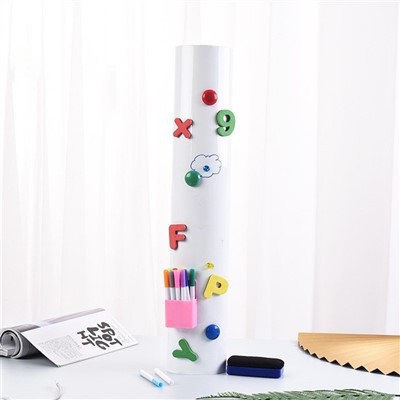


What is Rubber Magnet?
Rubber magnet, also known as flexible magnet, is a type of magnet made from a mixture of powdered ferrite (a type of ceramic material containing iron oxide) and rubber or synthetic elastomer materials. This combination results in a flexible and pliable magnetic material that can be easily bent, twisted, and cut into various shapes without losing its magnetic properties.
The advantages of rubber magnet?

1、Easy to process and customize
rubber magnetism can be easily cut, drilled, stamped, and pressed into various shapes to meet the needs of different applications.

Customized Rubber Magnetic Materials
Rubber magnetics can be customized in color, shape, and magnetic grade to meet the needs of specific applications.

Good flexibility and plasticity
because the rubber material itself has good ductility and elasticity, the rubber magnetism is softer and easier to process, can easily bend and deform, and can adapt to different installation and use environments.

Excellent insulation performance
rubber magnetic performance has good insulation performance, can prevent electric shock, electric spark, and other problems, and is suitable for application scenarios requiring high insulation performance.

Weather resistance and corrosion resistance
rubber magnetic has good weather resistance and corrosion resistance and can be used in harsh environmental conditions, such as high temperature, low temperature, humidity, acid, alkali, and other environments.

Cost reduction
Compared to some other types of magnets, the price of rubber magnets is usually more economical and can reduce production costs.
applications of rubber magnets
Rubber magnets, also known as flexible magnets, find applications in various industries due to their unique properties.
Promotional Products
Rubber magnets are widely used in promotional products such as refrigerator magnets, business card magnets, and promotional giveaways. Their flexibility allows for creative and customizable designs.
01
Advertising Signage
Flexible magnets are often used in the creation of magnetic signs for vehicles and other surfaces. They can be easily cut into different shapes and sizes, making them versatile for advertising purposes.
02
Educational Materials
Rubber magnets are used in educational settings for creating interactive learning materials. They can be easily cut and shaped to create magnetic letters, numbers, and other educational aids.
03
Perfect product system
The flexibility and ease of cutting make rubber magnets suitable for various craft and hobby projects. They can be used to make custom magnets, decorations, and DIY projects.
04
Seals and Gaskets
Rubber magnets can be used as flexible magnetic seals and gaskets in applications where a magnetic seal is required, such as refrigerator doors and automotive gaskets.
05
Door Gaskets
In some refrigerator and freezer applications, rubber magnets are used in the door gaskets to provide a tight seal, helping to keep the cold air inside.
06
Magnetic Closures
Rubber magnets are used in products like magnetic closures for folders, binders, and packaging, providing a secure and easy-to-use closure method.
07
Point of Purchase Displays
Flexible magnets are employed in retail settings for creating temporary and easily changeable point-of-purchase displays.
08
Automotive Applications
Rubber magnets are used in various automotive applications, such as car signs, promotional items, and closures for removable vehicle graphics.
09
Medical Devices
In certain medical devices, rubber magnets may be utilized due to their flexibility and magnetic properties.
10
We're professional rubber magnet manufacturers and suppliers in China, specialized in providing high quality customized products. We warmly welcome you to buy or wholesale rubber magnet for sale here from our factory. Contact us for quotation and free sample.
