Which Magnet Is Strongest? Comparing The Big Four By The Numbers
Oct 28, 2026
Which Magnet Is Strongest? Comparing The Big Four By The Numbers
A new buyer asked us last week which magnet is strongest, and we gave him the same answer we give everyone: it depends on what the magnet has to survive. Among the four families we quote every week - Neodymium (NdFeB), SmCo, AlNiCo and ferrite - each one leads a different race, and comparing the big four by the numbers is the only honest way to see it.
Which Magnet Has the Highest Energy Product?
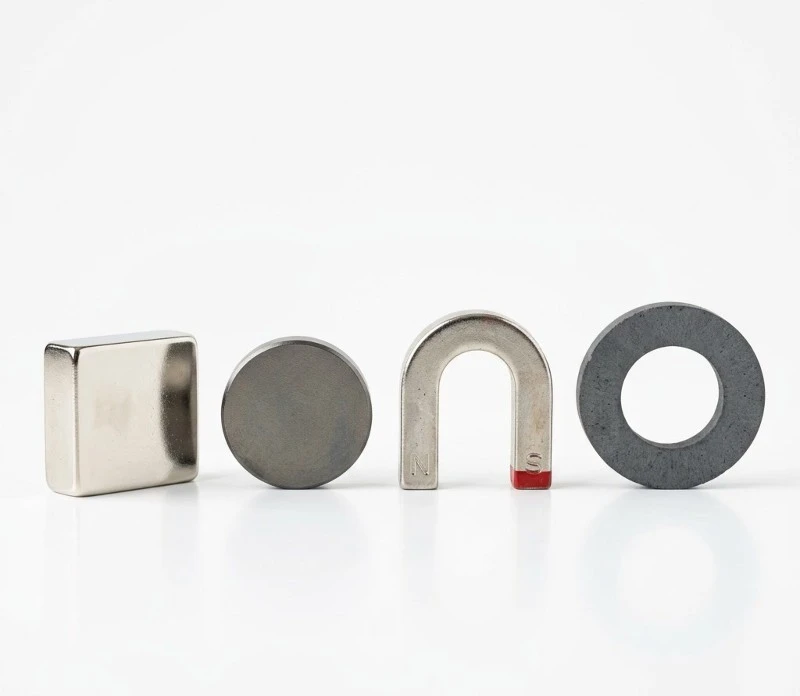
By energy product the ranking is unambiguous. Sintered Neodymium leads at 35 to 52 MGOe across standard grades, sintered SmCo follows at 16 to 32 depending on the 1:5 or 2:17 series, cast and sintered AlNiCo sits between 5 and 9, and hard ferrite brings up the rear at 3 to 4.5. On raw pull Neodymium wins by a factor of ten over ferrite, which is why it carries roughly 90 percent of the permanent magnet market by value.
Temperature Resistance of NdFeB, SmCo, AlNiCo and Ferrite Magnets
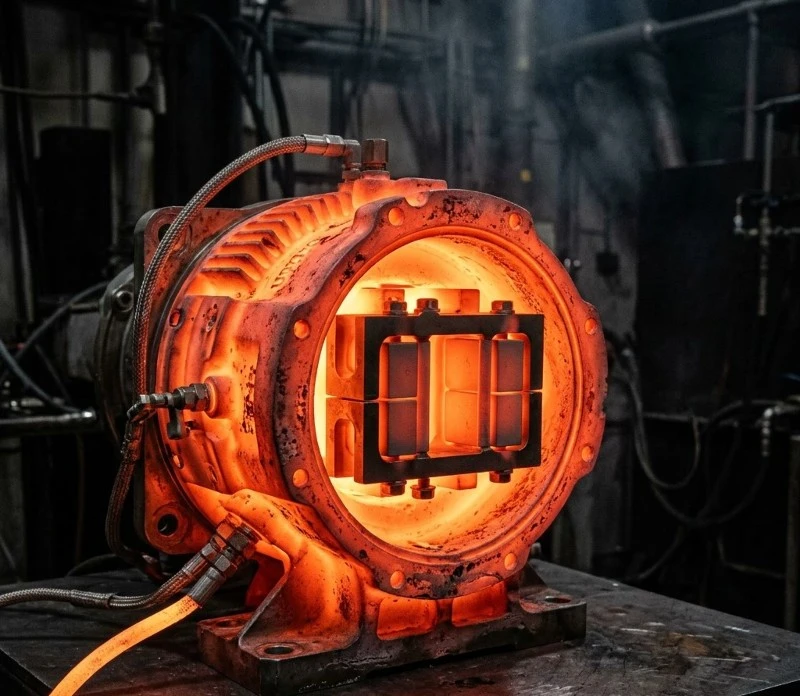
Temperature rewrites that order. Standard N grades start losing torque margin above 80 degrees Celsius; the temperature compensated grades climb through SH at 150, UH at 180 and EH at 200, and every step up costs energy product. SmCo barely moves over the same span - its remanence falls a few percent by 250 degrees Celsius and 2:17 grades keep working past 300. AlNiCo beats both at the top end, working to 450 or even 525 degrees Celsius in cast forms, which is why it still holds instrument and sensor seats that hotter electronics cannot reach. Ferrite works to about 250 degrees Celsius but drops coercivity on the cold side, so refrigerator and outdoor pump motors need a design check in January, not just in July.
Corrosion Resistance and Cost Comparison of Permanent Magnets
Comparing the big four by the numbers on corrosion and cost redraws the picture again. Neodymium rusts if it looks at seawater, so nearly every part carries a nickel or epoxy coating and the coating becomes a line item. SmCo and ferrite are ceramics that ignore moisture; AlNiCo lands in between with a coating recommendation for humid service. On cost per unit of energy, ferrite wins by a landslide and Neodymium delivers the most energy per dollar in benign environments, while SmCo typically costs three to five times NdFeB for the same energy - a premium you accept only when heat, vacuum or fifteen year stability demands it.
How to Choose the Strongest Magnet for Your Application
So the honest answer to which magnet is strongest is a short set of questions rather than a number. What temperature does the part actually see in the worst duty cycle, what does the environment throw at it, and how much space does the design have? Send us those three answers and we will come back with the family, the grade and the honest comparison - sintered Neodymium from N35 to N52, SmCo in 1:5 and 2:17, cast and sintered AlNiCo, ferrite from Y20 to Y35 - before quoting.