



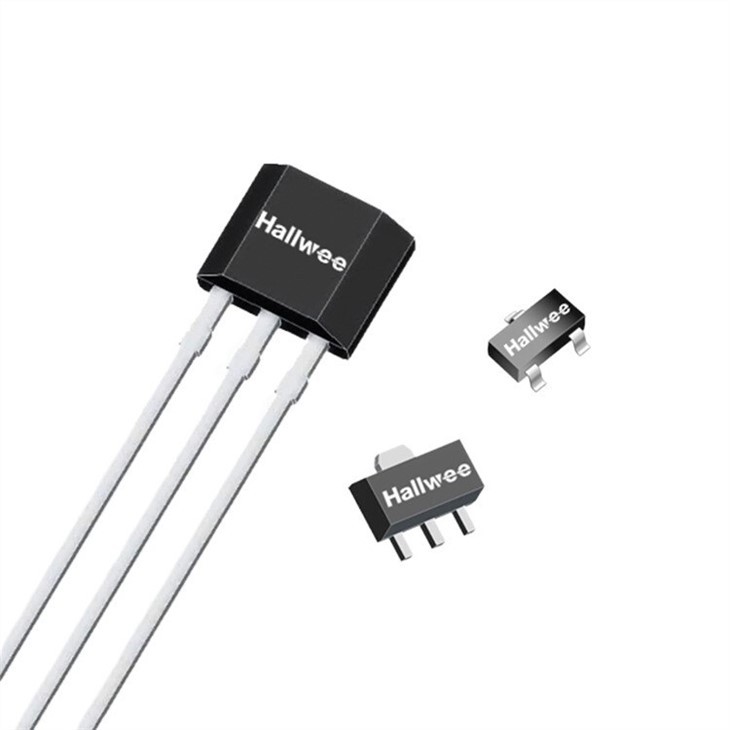


Magnetic Sensor Magnet
A magnetic sensor is a type of sensor that detects magnetic fields. It works by measuring the strength and direction of a magnetic field, and then converting this information into an electrical signal that can be used to provide feedback or control a system. There are several types of magnetic sensors, and they can be classified based on the type of magnet used, the type of sensing technology, and their application.
Products Introduction
A magnetic sensor is a type of sensor that detects magnetic fields. It works by measuring the strength and direction of a magnetic field, and then converting this information into an electrical signal that can be used to provide feedback or control a system. There are several types of magnetic sensors, and they can be classified based on the type of magnet used, the type of sensing technology, and their application.
Magnetic sensors are widely used in many different industries, including automotive, aerospace, consumer electronics, and medical devices. They are used to measure the position, speed, and direction of moving objects, and to detect changes in magnetic fields that indicate the presence or absence of a particular material or substance.

Classification
Magnetic sensors can be classified based on the type of magnet used. The most common types of magnets used in magnetic sensors are permanent magnets, electromagnets, and Hall-effect sensors.
Permanent magnets are made of materials that produce a strong and stable magnetic field, such as neodymium, samarium cobalt, or alnico. They are often used in sensors that require a high level of sensitivity and accuracy, such as in medical devices or scientific instruments.
Electromagnets are made of coils of wire that produce a magnetic field when an electric current is passed through them. They are often used in sensors that require a variable and controllable magnetic field, such as in industrial equipment or robotics.
Hall-effect sensors are based on the Hall effect, which is a phenomenon in which an electric current is influenced by a magnetic field. They are often used in sensors that require a low power consumption and a high level of sensitivity, such as in automotive applications or consumer electronics.
According to the design principle of magnetic switch, it can be divided into two types: contact (magnetic reed) and contactless (electronic solid state).
Working principle
The working principle of a magnetic sensor depends on the type of magnet used. For example, a permanent magnet sensor works by measuring the changes in the magnetic field as a moving object passes by the magnet. The sensor detects these changes and converts them into an electrical signal that can be used to control a system or provide feedback.
A Hall-effect sensor works by measuring the voltage produced when a magnetic field is applied to a conductor that has a current flowing through it. The voltage produced is proportional to the strength and direction of the magnetic field, and can be used to determine the position or motion of an object.
An electromagnet sensor works by controlling the electric current flowing through the coils of wire to produce a magnetic field that can be used to detect the presence or absence of a material or substance.
Applications
Magnetic sensors are used in a wide range of applications, including:
- Position and motion sensing in automotive, aerospace, and robotics applications
- Magnetic stripe card readers used in credit card and ATM machines
- Detection of magnetic fields in medical devices such as MRI machines
- Current sensing in electrical systems
- Compasses and navigation systems in marine, aviation, and military applications.
Overall, magnetic sensors are an essential component in many different systems and technologies, providing accurate and reliable measurements of magnetic fields and enabling precise control and feedback in a wide range of applications.

FAQ
Hot Tags: magnetic sensor magnet, China magnetic sensor magnet manufacturers, suppliers, factory, high efficiency tmr sensor magnet, non contact speed sensor magnet, wide working speed sensor magnet, intelligent security alarm sensor magnet, strong power magnetic induction sensor magnet, amr sensor magnet for compass


Send Inquiry
